Keeping Your Farm Running Smoothly and Sustainably
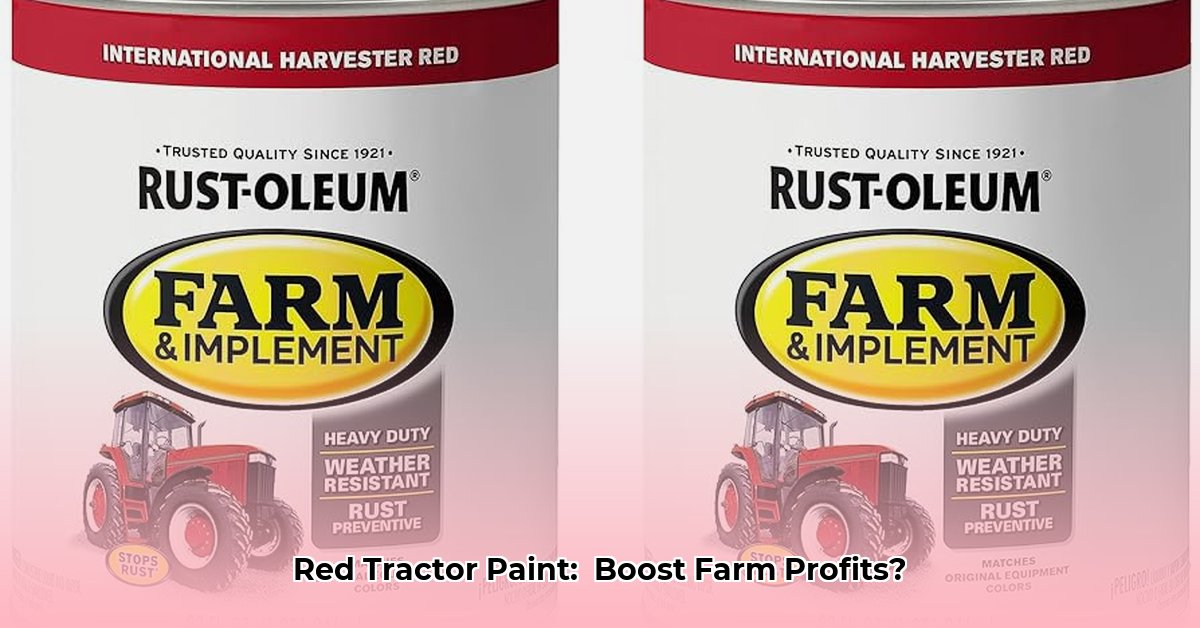
That iconic red paint on your tractor isn't just for looks; it's a critical component of maintaining your machinery and contributing to a sustainable farm. Protecting equipment translates to less waste, lower costs, and a healthier environment. Let's explore how that vibrant red coat plays a vital role.
More Than Just a Pretty Face: Why Red Tractor Paint Matters
Your tractor's paint acts as its first line of defense against the elements, preventing rust and corrosion. Rust weakens machinery, leading to expensive repairs and premature equipment replacement. Replacing a tractor isn't just financially draining; it also significantly impacts the environment due to the resources and energy consumed in manufacturing. Extending existing equipment life—with proper paint maintenance—makes your farming operation far more sustainable. Isn't preserving resources a key goal for modern farming?
Painting for the Long Haul: A Step-by-Step Guide
Painting your tractor correctly significantly impacts its longevity. Follow these steps for optimal results:
Thorough Cleaning: Begin with a meticulous cleaning. Remove rust, dirt, loose paint, and grime using wire brushes, scrapers, and pressure washers to expose bare metal in damaged areas. This ensures proper paint adhesion.
Primer Application: Never skip the primer! It acts as a bonding agent between the metal and the topcoat, providing crucial corrosion protection. Apply evenly according to the manufacturer's instructions.
Thin Coats for Even Drying: Apply several thin coats of red tractor paint instead of one thick coat. Thin coats dry more evenly, creating a smoother, more durable finish. Allow complete drying between coats.
Proper Paint Storage: Store paint according to the manufacturer's recommendations to maintain quality and extend its usable life. Consistent quality is key to effective application.
Regular Inspections: Regularly inspect for wear and tear, specifically chips or scratches. Addressing minor issues promptly prevents escalation into major, costly repairs, saving money and environmental resources.
Beyond the Paint: Long-Term Strategies for Equipment Longevity
While a good paint job offers excellent protection, it's just one aspect of sustainable farming.
Preventative Maintenance Schedules: Implement a routine maintenance schedule including lubrication, component replacement, and regular inspections. This prevents small problems from escalating into major issues, saving money and resources in the long run.
Fuel-Efficient Operation: Practice fuel-efficient driving techniques and ensure proper tire inflation. This minimizes fuel consumption and reduces your carbon footprint.
Technology Adoption: Stay updated on technologies that improve efficiency, reduce fuel usage, and enable predictive maintenance. Embracing innovation contributes to sustainable practices.
Repair vs. Replacement: Evaluate the cost-effectiveness and environmental impact of repairing versus replacing equipment. Consider the environmental impact before making a replacement decision.
Thinking Long-Term: Building a Sustainable Farming Future
Sustainable farming involves making smart choices that benefit your farm and the planet. Extending equipment life is crucial. By using high-quality paint and diligent maintenance, you contribute to a more sustainable agricultural future. Small steps like proper paint application significantly impact long-term sustainability.
How to Optimize Farm Equipment Maintenance for Maximum Lifespan and Minimal Environmental Impact
Key Takeaways:
- Proper paint maintenance protects against corrosion, extending equipment life and minimizing replacements.
- Regular cleaning prevents dirt buildup that accelerates wear and tear.
- Strategic lubrication minimizes friction, improving fuel efficiency and reducing emissions.
- Preventive maintenance, including regular inspections, saves money and prevents costly repairs.
- Sustainable practices, such as using eco-friendly cleaning products, reduce your environmental footprint.
Step-by-Step Maintenance Guide
- Regular Cleaning: Wash equipment after each use to remove dirt and debris.
- Thorough Inspection: Conduct weekly visual inspections for loose bolts, leaks, or damage.
- Regular Lubrication: Follow the owner's manual for lubrication schedules and lubricant types.
- Prompt Issue Resolution: Address minor problems immediately to prevent escalation.
- Paint Maintenance: Touch up paint chips and scratches promptly to prevent corrosion. Repaint as needed.